
As artificial intelligence (AI) increasingly integrates into business operations, clarifying legal responsibilities becomes crucial. Legal professionals grapple with the lack of clear guidelines surrounding liability in AI-driven actions, leading to uncertainty in compliance and risk management. This article provides in-depth insights into navigating AI legal liability, exploring frameworks, responsibilities, and best practices for compliance.

Table of Contents
- Defining Clear Liability: Who is Responsible When AI Fails?
- Exploring the Legal Frameworks Addressing AI Accountability
- The Role of Human Oversight in Reducing AI-Driven Errors
- Comparative Analysis of Global Approaches to AI Governance
- Addressing Ethical Standards in AI Usage and Governance
- Frequently Asked Questions
- Conclusion
- Related Resources
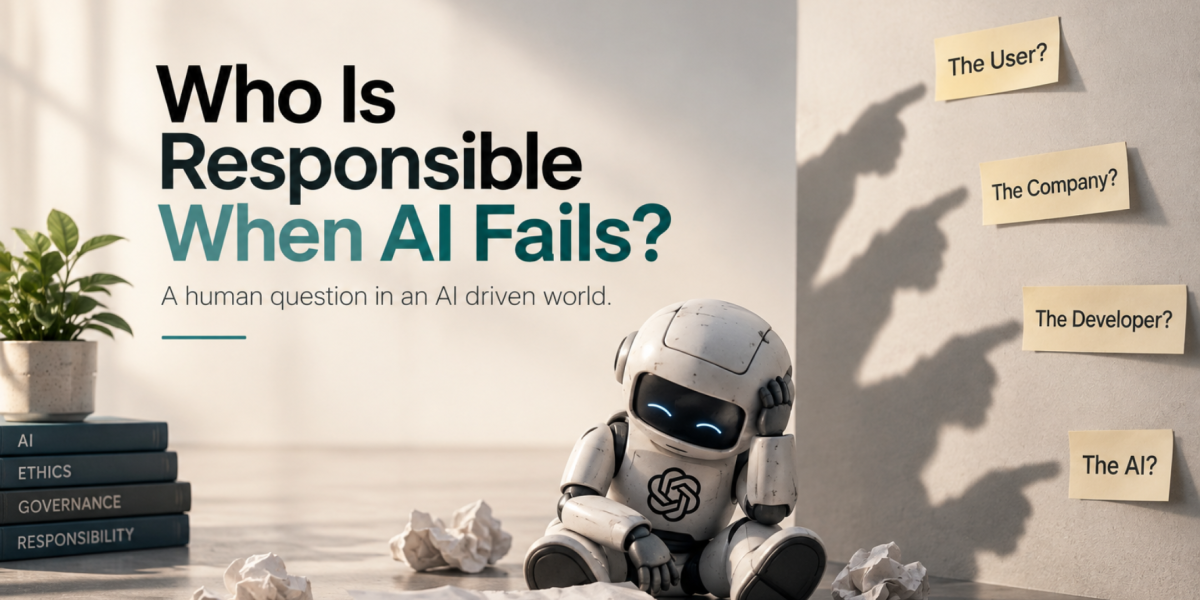
Defining Clear Liability: Who is Responsible When AI Fails?
Establishing clear liability in AI operations is essential, especially given the complexities of technology and human involvement. AI systems can malfunction or act unpredictably, leading to serious ramifications. Identifying responsibility in such cases hinges on accountability in AI functions and the legal implications of AI failures.
The Role of Developers and Users in AI Liability
Responsibilities are often divided between AI developers and end-users, creating a complex landscape of accountability. Developers are tasked with ensuring their AI technologies operate as intended and comply with relevant regulations. Conversely, users are responsible for how they implement and oversee these systems in real-world scenarios.
For instance, a landmark case involved a self-driving car that failed to stop at a red light, resulting in an accident. The court held the developer liable for not adequately programming the vehicle’s decision-making protocols. Such cases accentuate the need for clarity in developer liability and user responsibility, as outlined in various legal journals discussing AI accountability.
Moreover, organizations must adopt governance frameworks that delineate responsibilities clearly. The AI governance resources provide practical examples of implementing these frameworks in business operations.
Jurisdictional Variations in AI Liability
Liability standards for AI are not uniform; they vary significantly between jurisdictions. In Europe, for instance, the General Data Protection Regulation (GDPR) enforces strict compliance measures that impact liability in AI systems. Conversely, the United States often adopts a more fragmented approach, leaving much to state laws.
The differences in global AI liability laws can result in varied legal repercussions for organizations operating across borders. Enhanced awareness of these jurisdictional differences is crucial for legal professionals and compliance officers to navigate the complexities effectively.
Exploring the Legal Frameworks Addressing AI Accountability
Current legal frameworks play a pivotal role in shaping the accountability landscape of AI technologies. Understanding these frameworks is essential for organizations aiming to mitigate risks associated with AI deployment.
Current Regulations Impacting AI Liability
Regulations such as the GDPR have imposed significant responsibilities on organizations regarding data protection and AI use. These regulatory frameworks encompass various sectors and establish standards for compliance, ensuring organizations are held accountable for their AI systems.
In addition, U.S. regulations remain a work in progress but are beginning to form a more cohesive strategy regarding AI governance. Legal professionals must stay updated on these regulatory developments, as detailed in academic discussions that critique existing laws and propose necessary reforms for AI accountability.
Future Legislative Proposals
With technology evolving rapidly, proposed AI legislation is gaining traction. Lawmakers worldwide are beginning to acknowledge the need for clear guidelines surrounding AI liability. Experts predict a surge in laws aimed at proliferating transparency and accountability in AI use.
Understanding these future legislative proposals will provide organizations with foresight into forthcoming compliance requirements, equipping them to proactively adjust their governance strategies.
The Role of Human Oversight in Reducing AI-Driven Errors
Human oversight is critical in preventing AI failures and minimizing associated legal liabilities. As AI systems grow in complexity, the interplay between human judgment and machine decision-making becomes more pronounced.
Best Practices for Implementing Human Oversight
Integrating effective human oversight into AI operations is essential. Organizations should develop best practices that foster a proactive review process. For instance, they could adopt a “human-in-the-loop” approach, ensuring that significant AI-driven decisions are subject to human validation.
This process not only enhances the reliability of AI systems but also establishes a clear line of responsibility, thus mitigating potential legal issues that may arise from AI errors.
Real-World Examples of Successful Oversight
Successful examples of human oversight in AI abound. One notable case involved a financial institution that incorporated rigorous human checks into its AI-driven credit approval process. This intervention significantly reduced erroneous approvals, demonstrating how strategic oversight can enhance performance while decreasing compliance risks.
Comparative Analysis of Global Approaches to AI Governance
International approaches to AI governance vary significantly, influencing how legal liability is navigated. A comparative analysis sheds light on these differences and highlights best practices.
AI Governance in the EU vs. US
The EU has taken proactive measures in establishing comprehensive AI regulations, which include strict accountability and compliance standards. In contrast, the U.S. has a decentralized regulatory environment, resulting in varying legal frameworks across states.
This divergence is critical for legal professionals as they counsel organizations on compliance in multiple jurisdictions. Knowledge of EU vs. US AI laws will become increasingly important as businesses seek to operate globally.
Innovations in AI Governance Globally
Many countries are leading the way in innovative AI governance models. For instance, Singapore has implemented policies that promote ethical AI development while ensuring safeguards against misuse.
By studying these innovations, legal professionals can gain insights into emerging governance models that may offer effective solutions to current challenges in AI liability.
Addressing Ethical Standards in AI Usage and Governance
Organizations leveraging AI must grapple with ethical responsibilities that accompany their use. Establishing ethical standards is paramount in fostering trust and accountability.
Ethical Considerations for AI in Legal Practice
Legal professionals face unique ethical dilemmas when utilizing AI tools, such as balancing client interests against potential biases encoded in AI systems. These considerations spotlight the need for strong ethical guidelines to navigate challenges.
Creating Ethical AI Frameworks
Developing robust ethical frameworks is essential for organizations utilizing AI. These frameworks should encompass principles such as transparency, accountability, and fairness, providing organizations with a solid foundation for ethical AI governance.
By addressing these ethical standards, organizations can mitigate risks and ensure responsible AI use in their operations.
Frequently Asked Questions
Q: What are the main liabilities associated with AI usage?
Ensuring clarity on liability involves understanding the roles of developers and users alongside jurisdiction-specific laws regarding accountability. AI technologies can malfunction, attributing liability based on the level of oversight and implementation engaged by developers and users.
Q: How can companies mitigate AI-related risks?
Companies can adopt human oversight practices, implement robust governance frameworks, and stay informed about evolving regulations. Proactively engaging these strategies enhances compliance and reduces liability exposure.
Q: Are there ethical standards for using AI in legal practices?
Yes, organizations should establish ethical frameworks to guide the responsible use of AI, balancing innovation with accountability. These frameworks strengthen the ethical grounding of legal practices utilizing AI technologies.
Conclusion
The legal landscape around AI is evolving rapidly, and staying ahead requires constant education on emerging frameworks. Human oversight remains a crucial element in effective AI governance and liability reduction. Organizations must prioritize ethical considerations to navigate the complexities of AI deployment. For more in-depth resources on AI governance and legal compliance, visit our comprehensive guides. As the AI landscape grows, understanding liability structures will be key in ensuring sustainable and responsible AI usage.