

Google has expanded its Gemini Enterprise platform with a new legal-focused AI offering designed for law firms, lawyers, and corporate legal teams. The product, called Gemini Enterprise for Legal, is built to support legal workflows such as contract review, legal brief drafting, citation verification, regulatory monitoring, and data subject access request fulfilment.
The launch matters because it reflects a larger shift in enterprise AI: companies no longer want only general-purpose chatbots. They want AI systems that understand the specific workflows, risks, documents, permissions, and compliance needs of their industry.
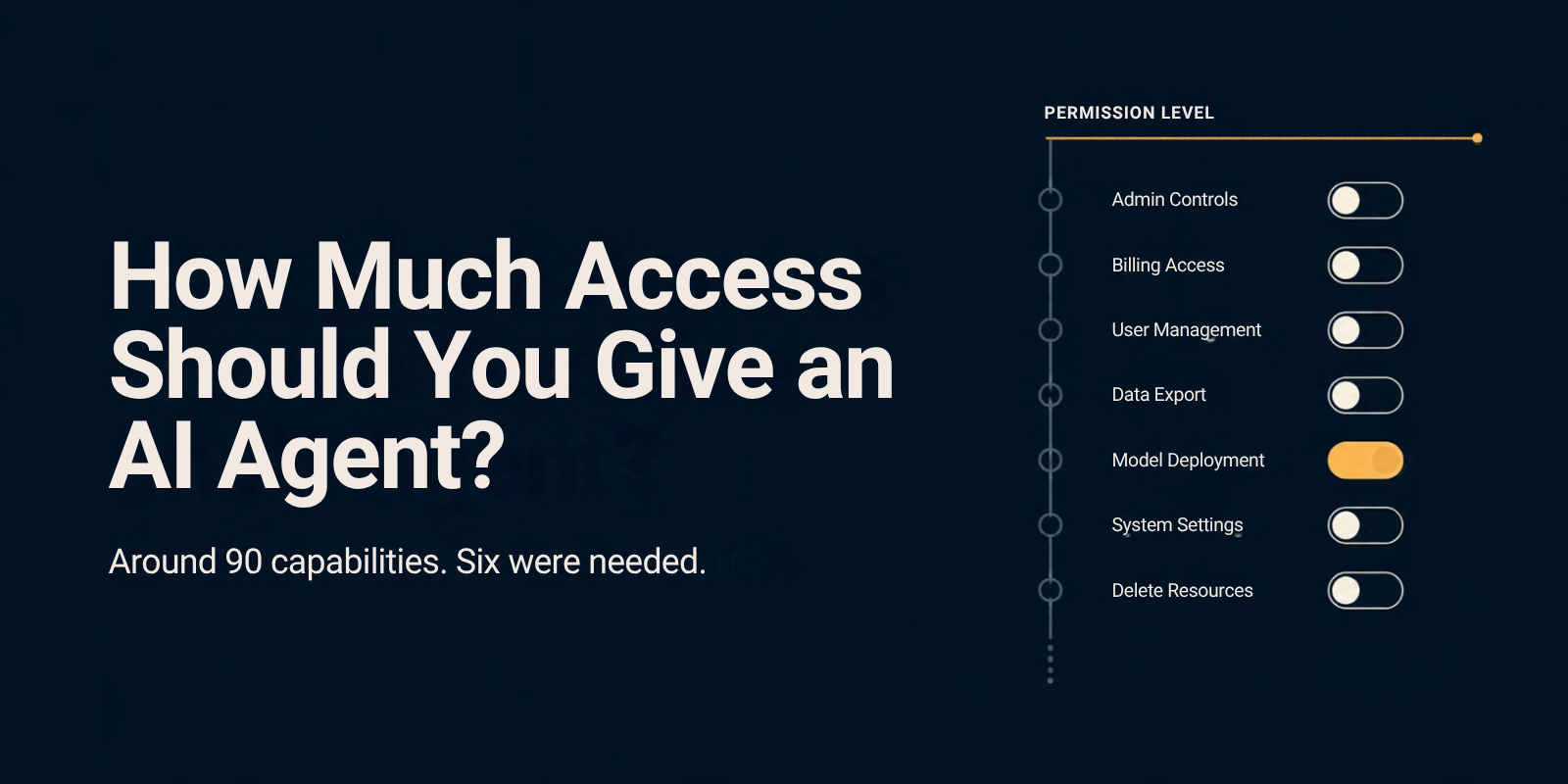
For legal teams, that means AI cannot simply generate text. It needs to operate inside a controlled environment where confidentiality, auditability, source grounding, access permissions, and human review are built into the workflow.
Reference: https://www.reuters.com/business/google-expands-gemini-ai-platform-law-firms-lawyers-2026-08-25/
Why Legal AI Needs More Than a Chatbot
Legal work is document-heavy, research-intensive, and highly dependent on context. A lawyer may need to review contracts, compare clauses, check legal authority, prepare filings, monitor regulatory changes, or summarize matter history.
These tasks are ideal candidates for AI assistance, but they also carry serious risk. A wrong citation, missed clause, leaked client file, or unsupported legal interpretation can have consequences far beyond productivity loss.
That is why Google is positioning Gemini Enterprise for Legal as an industry-specific system rather than a generic AI assistant. According to Google Cloud, the platform includes purpose-built legal skills, secure connectors, third-party legal agents, and a governance layer for IT and risk teams.
This is the important point: the future of AI in law is not just about faster drafting. It is about safer workflow execution.
What Google Is Trying to Solve
The legal sector has been actively experimenting with generative AI, especially for legal research, document drafting, contract analysis, and operational efficiency. Reuters reported that Google’s expansion is part of a wider race among technology companies to serve growing demand from law firms and legal departments.
Google’s approach appears to focus on three main problems:
1. Workflow fragmentation
Law firms use multiple systems for documents, matters, contracts, research, discovery, and collaboration. AI becomes more useful when it can connect to those systems instead of sitting outside them.
2. Confidentiality and permissions
Legal work depends on strict boundaries. Google says Gemini Enterprise for Legal can inherit permissions through connectors and keep client data, prompts, and outputs within the organization’s private cloud perimeter.
3. Grounded legal output
AI-generated legal work needs to be checked against reliable legal authority. Google says research outputs in the platform are grounded in primary legal authority rather than only model training data.
Early Law Firm Adoption
Google said the legal product is launching in preview with legal teams from Cleary Gottlieb, Freshfields, Weil, and Williams & Connolly as launch customers.
This is significant because large law firms are not simply looking for tools that generate documents. They are looking for platforms that can fit into professional workflows, protect institutional knowledge, support review standards, and improve client service without weakening legal judgment.
A separate Financial Times report also noted that law firms are increasingly exploring bespoke or customized AI tools for legal work, especially where firms want differentiation, control, and stronger alignment with their own practice style.
The Bigger Enterprise AI Signal
This move also tells us something larger about where enterprise AI is heading.
The first phase of AI adoption was about access: giving employees tools that could write, summarize, search, or answer questions.
The next phase is about integration: embedding AI into specific workflows where work actually happens.
For law firms, this could mean:
Contract review becoming more structured
Legal research becoming more context-aware
Matter histories becoming easier to summarize
Regulatory monitoring becoming more continuous
Court filings becoming faster to prepare
Client updates becoming more consistent
Document review becoming more exception-based
But the real value will depend on how well firms design the process around AI. Legal AI will still require human judgment, partner review, professional responsibility, and clear governance.
Why Governance Will Decide Adoption
The legal industry is one of the clearest examples of why AI governance cannot be an afterthought.
Lawyers must consider confidentiality, accuracy, privilege, bias, citation reliability, client consent, and accountability. California lawmakers recently passed a bill setting boundaries for lawyers’ use of generative AI, including requirements around verification of AI-generated content and restrictions involving confidential information.
That kind of regulatory movement shows why legal AI platforms need strong controls from the beginning. In this sector, speed alone is not enough. Trust, traceability, and reviewability matter just as much.
What Law Firms Should Take Away
Google’s legal AI expansion is not just another product launch. It is a signal that AI adoption in professional services is becoming more vertical, more workflow-driven, and more governance-heavy.
For law firms and legal departments, the key question is no longer:
Can AI help lawyers work faster?
The better question is:
Can AI be safely embedded into legal workflows without compromising judgment, confidentiality, or professional responsibility?
The firms that answer this well may gain a major advantage. Not because AI will replace legal expertise, but because it can reduce repetitive work, improve access to institutional knowledge, and allow lawyers to focus more time on strategy, judgment, and client outcomes.
Beyond Prompts Perspective
The legal sector shows where enterprise AI is going next.
AI is moving from general assistance to industry-specific execution. The winners will not be the firms that simply adopt the newest tool. They will be the ones that redesign workflows, define governance clearly, and combine AI capability with human expertise.
In law, the future is not AI instead of lawyers.
It is lawyers working with intelligent systems that make legal work faster, safer, and more structured.